Artifacts of the July Revolution
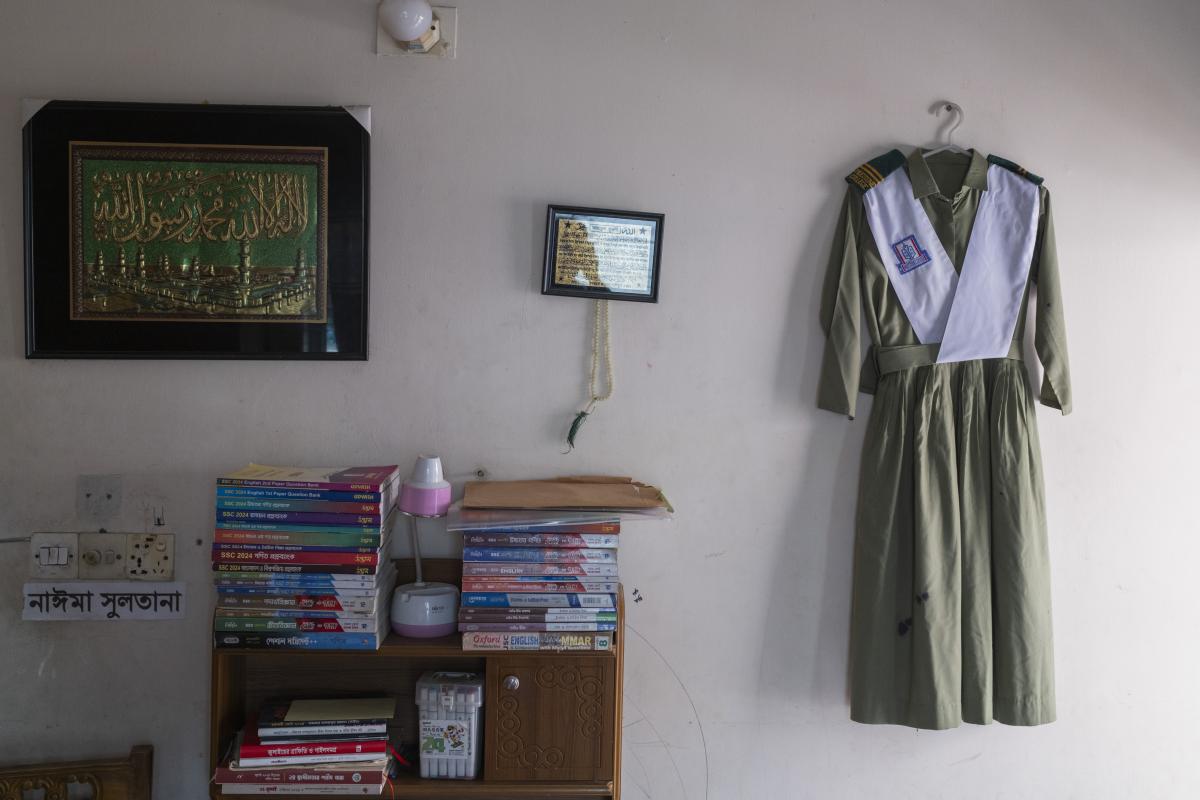
Tangible relics and documents preserving the unfiltered story of the July Revolution.
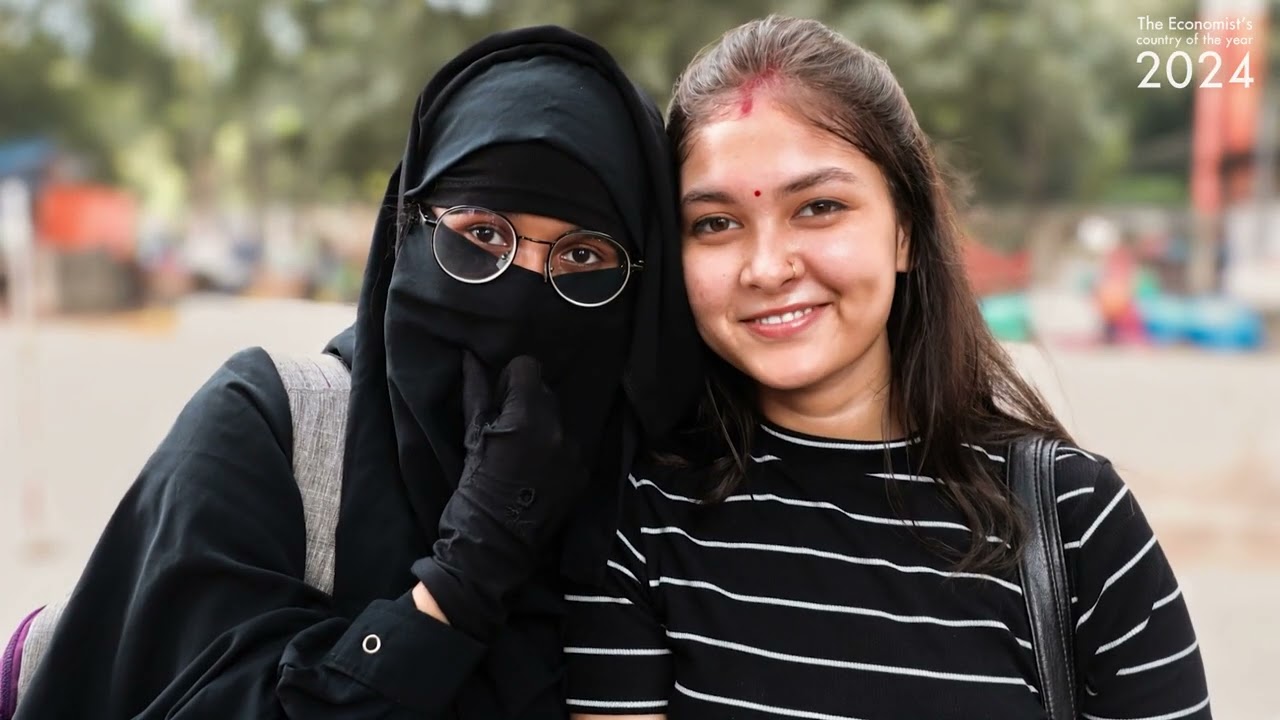
Unity of students and people, resurgence of national strength.
Access digitized documents and explore the Memorial Halls from anywhere in the world
Available with audio commentary by renowned historians
Tangible relics and documents preserving the unfiltered story of the July Revolution.
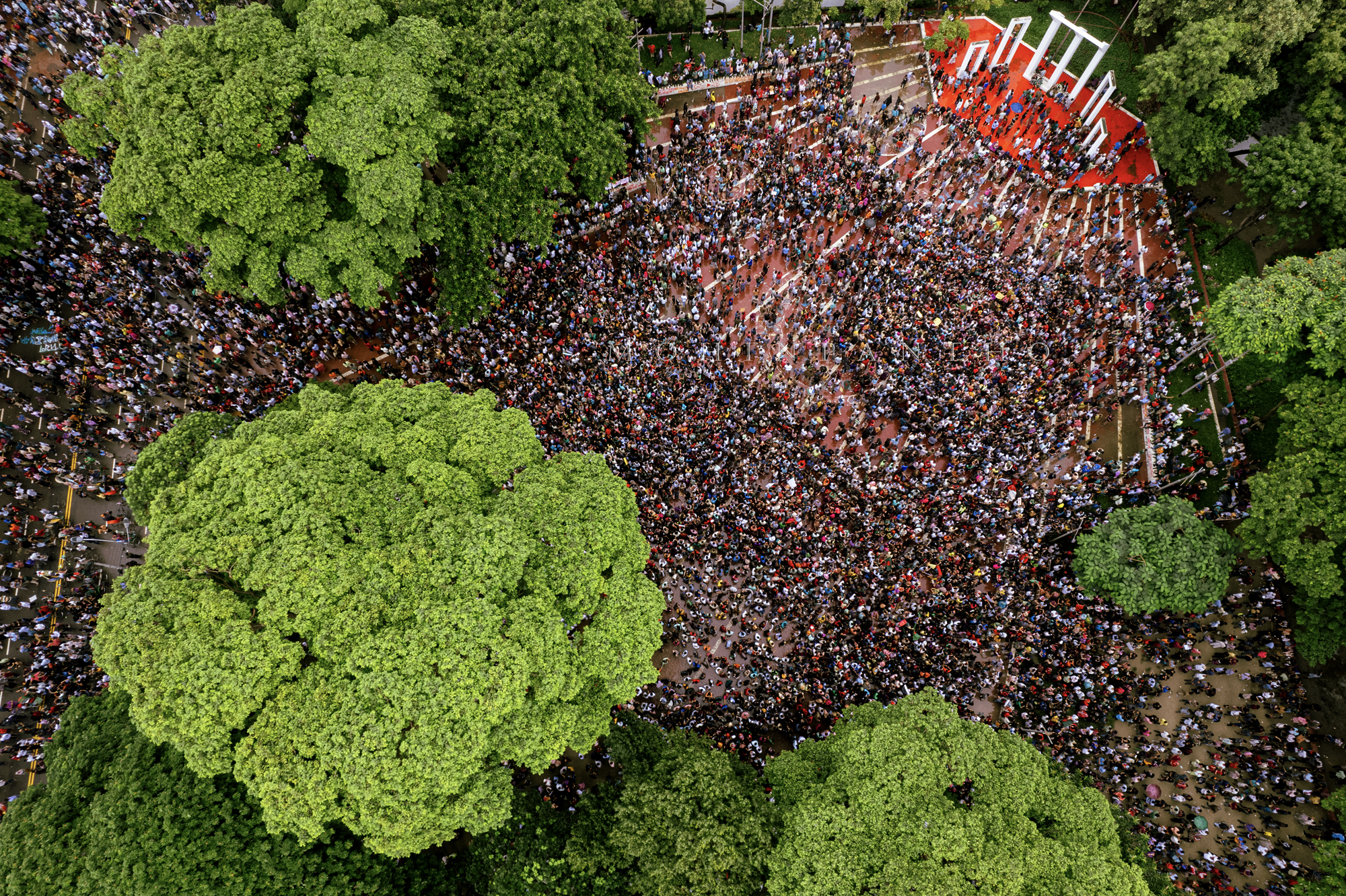
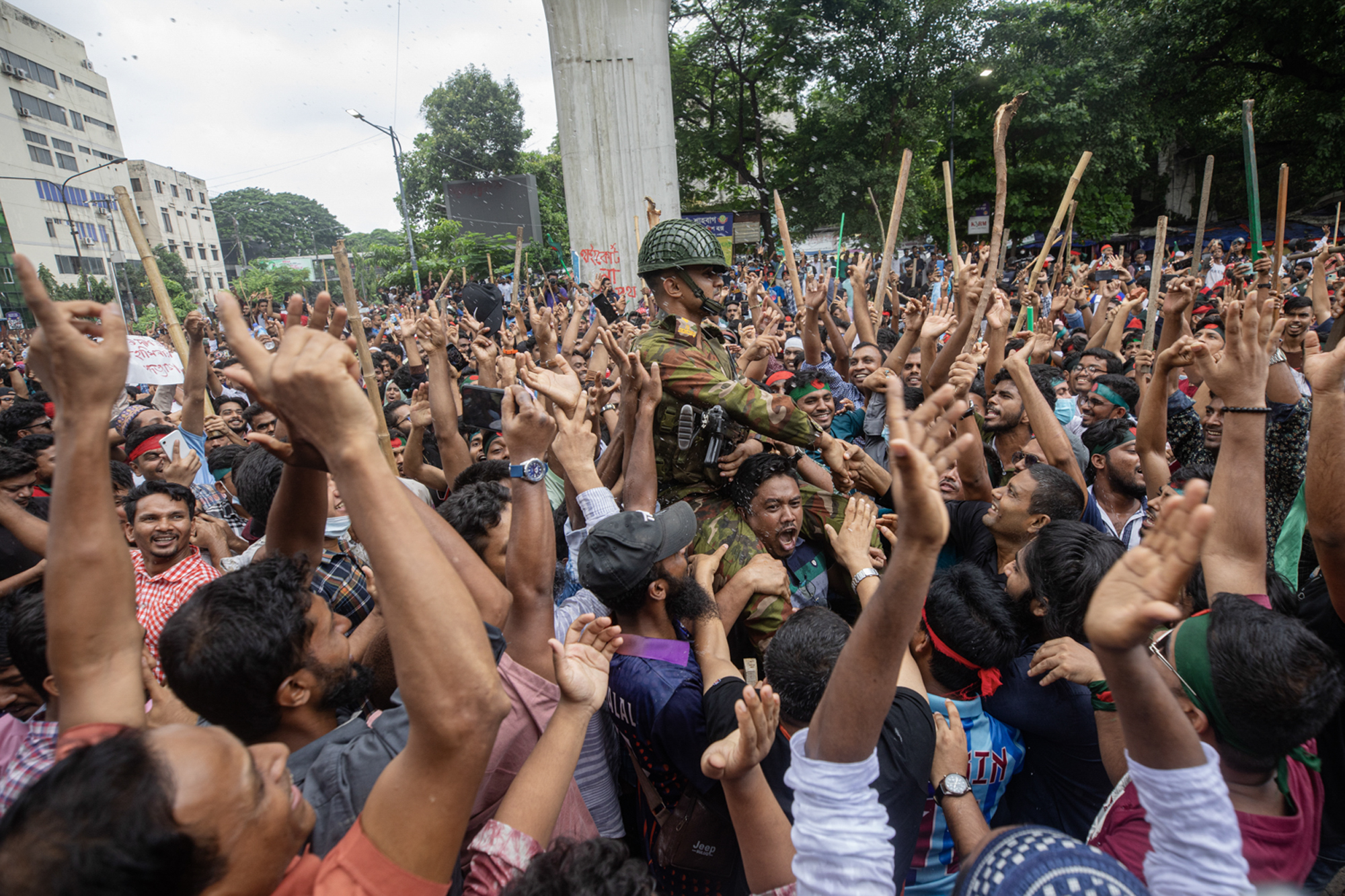
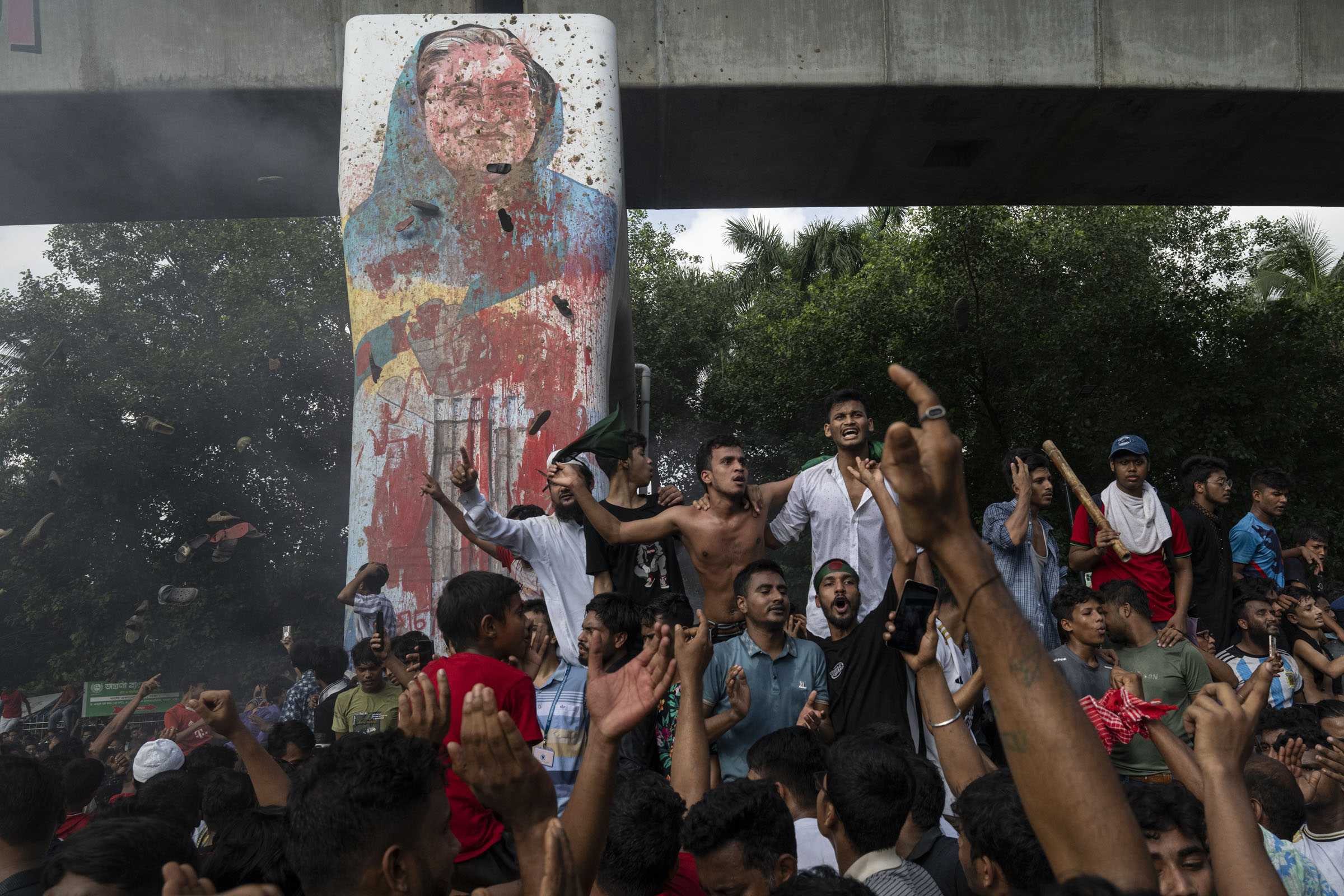
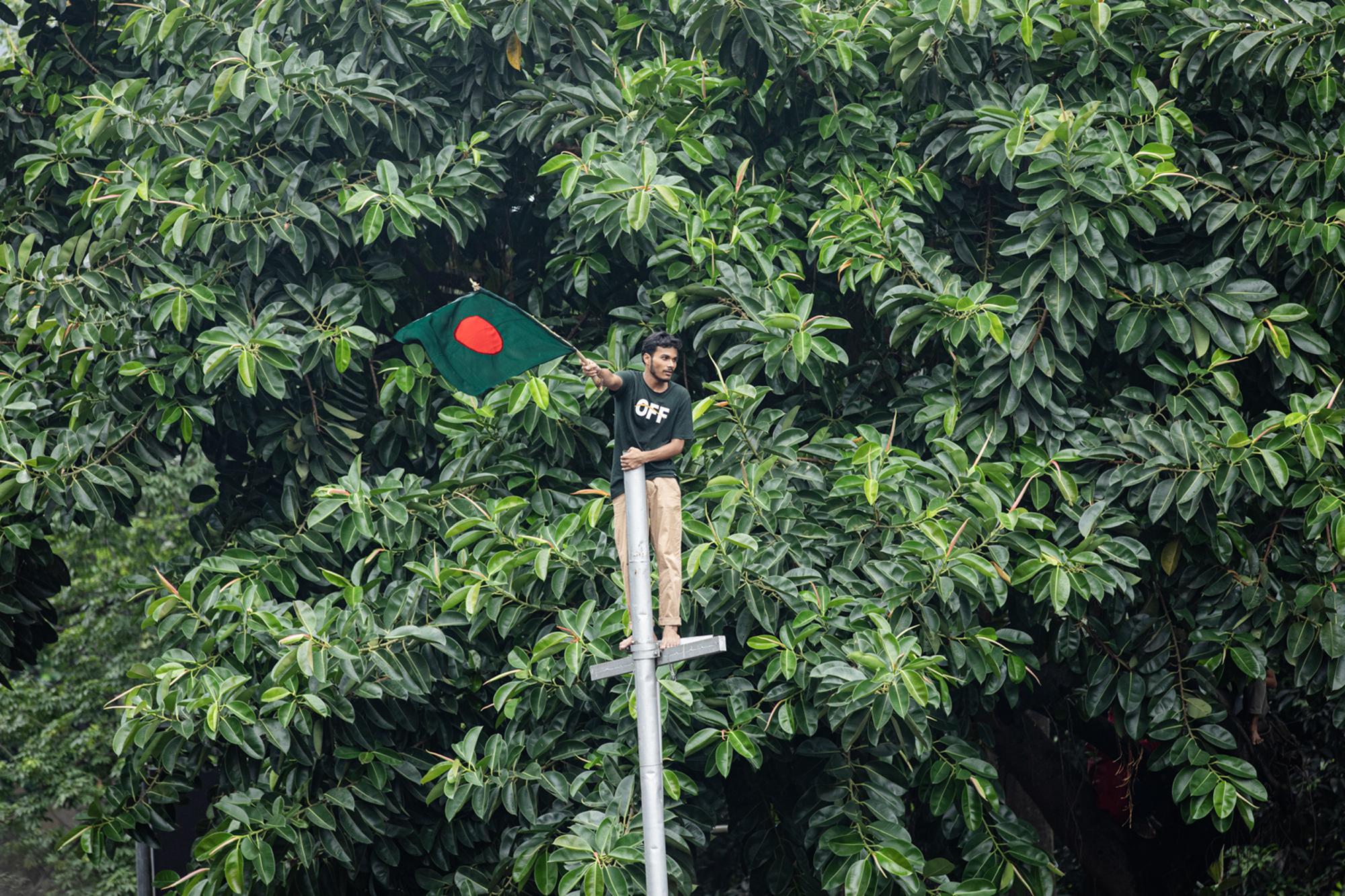
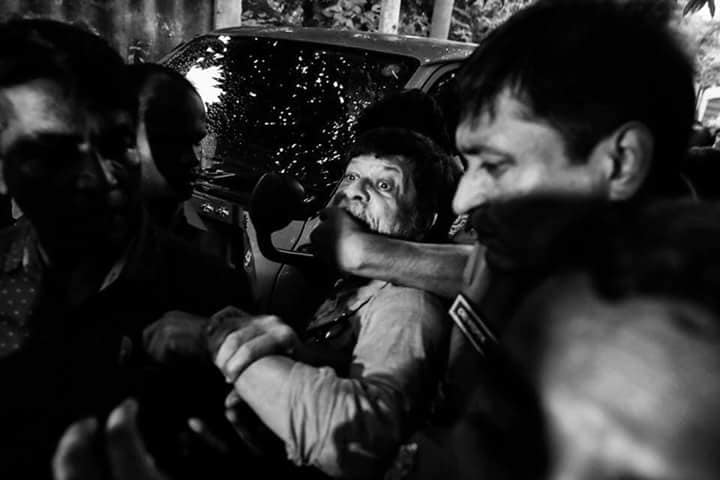
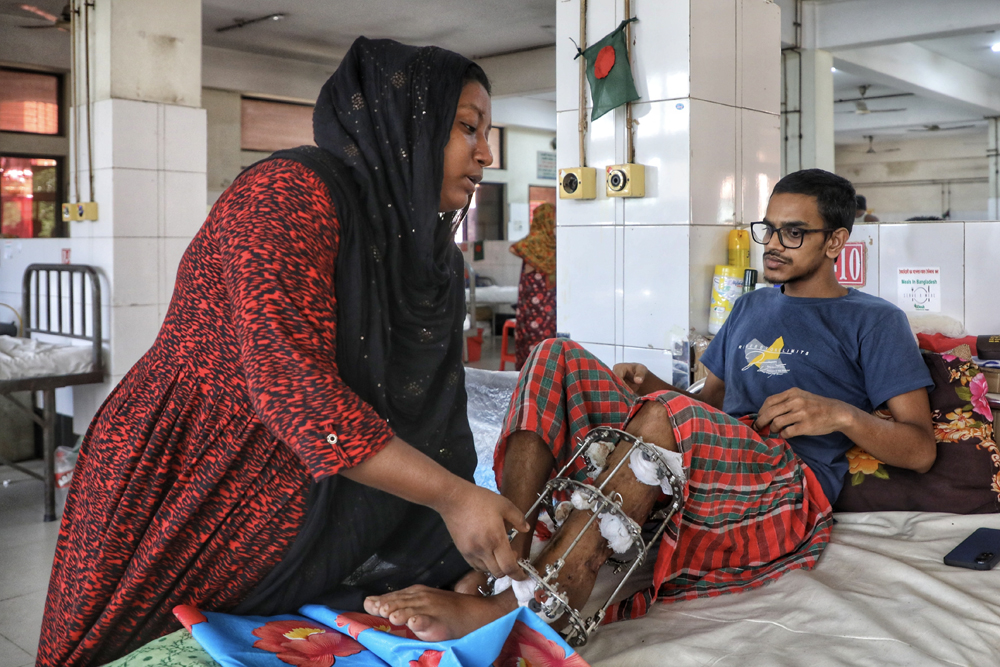
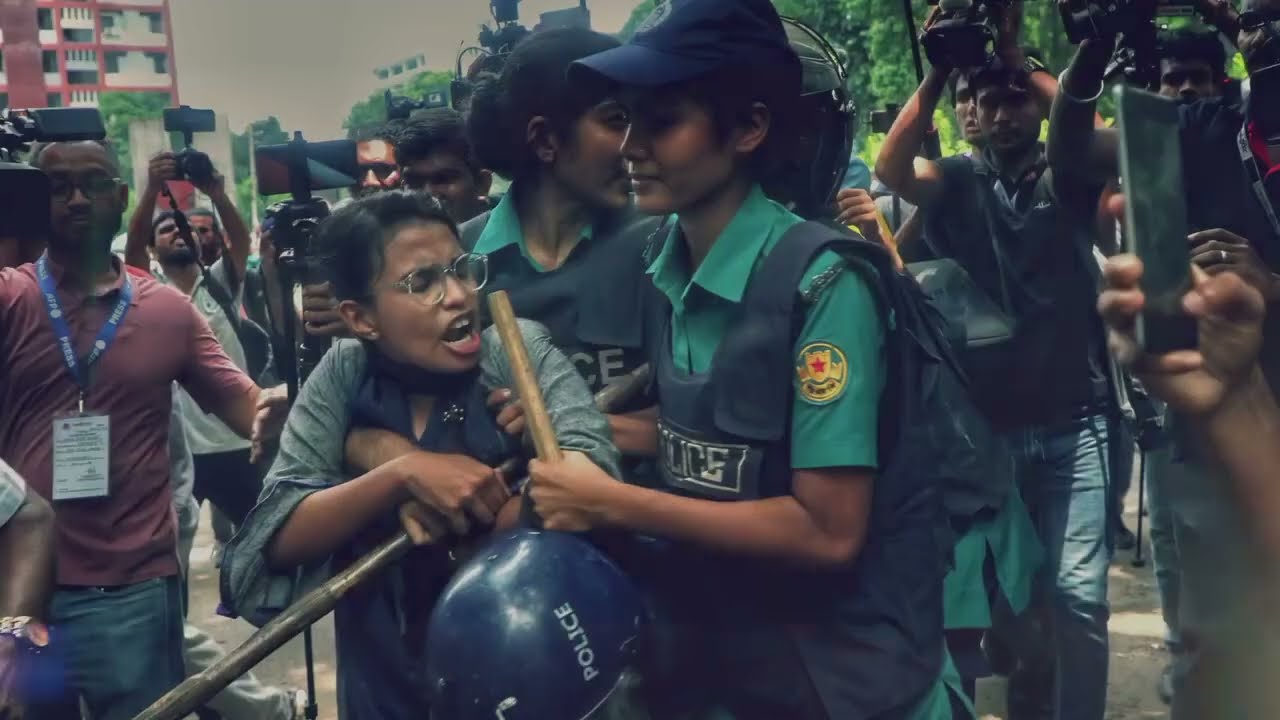
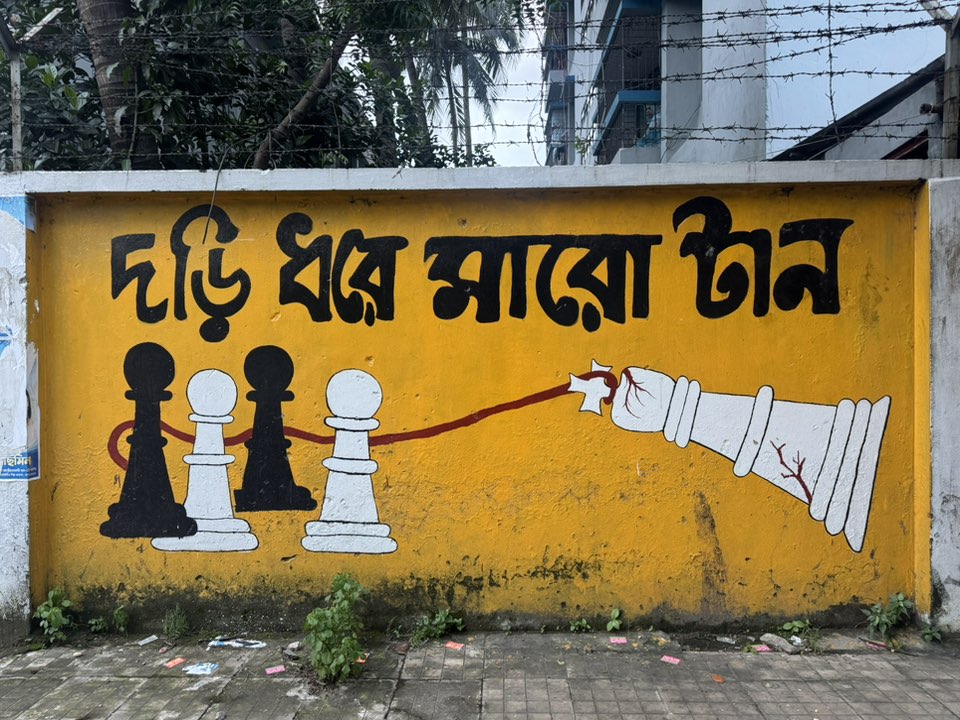
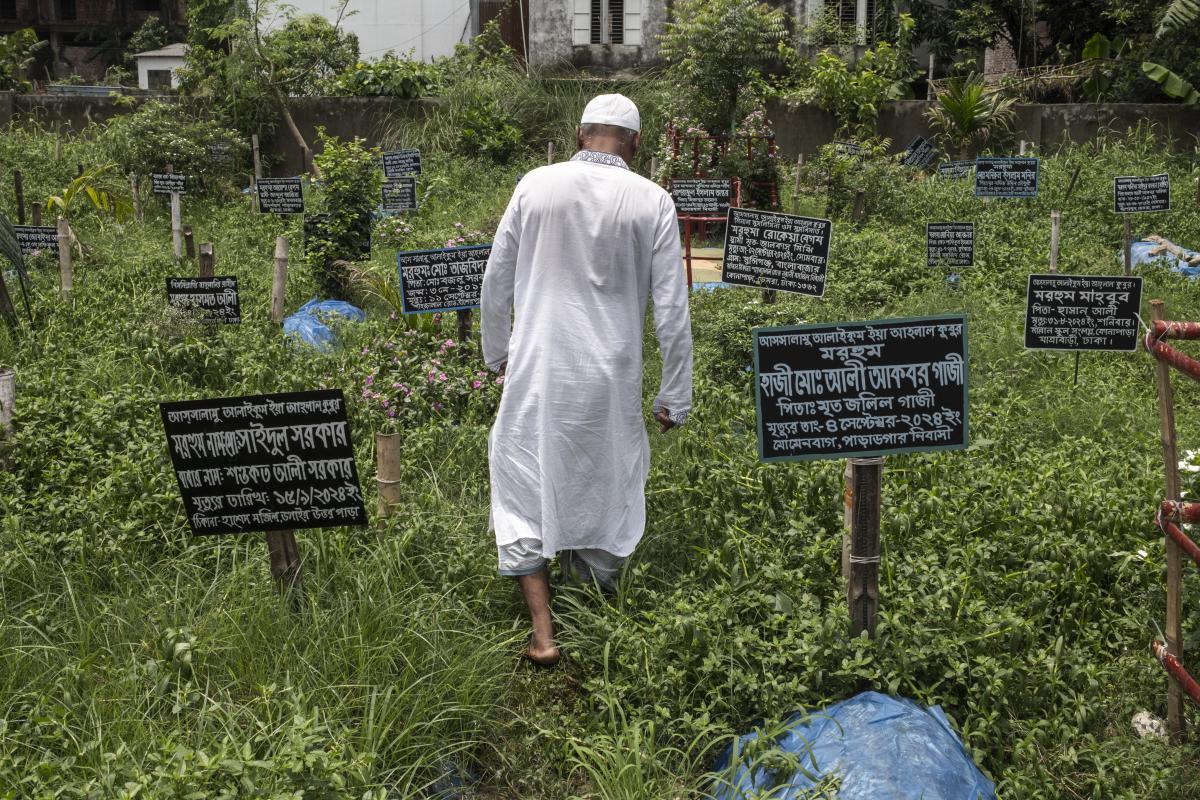
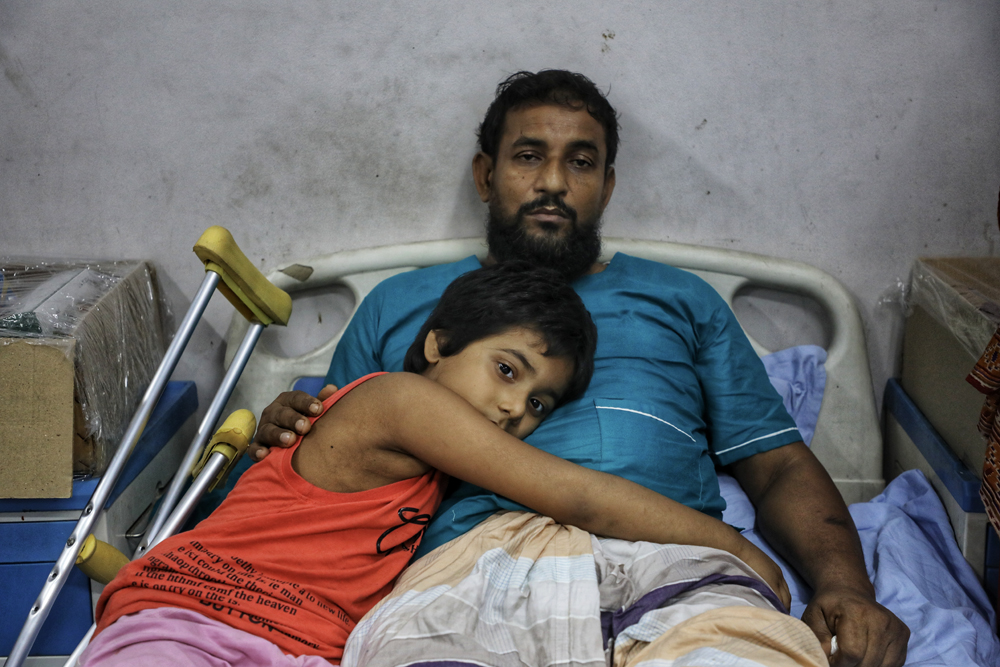
In July 2024, Bangladesh witnessed a bloody mass uprising that led to the fall of fascist Sheikh Hasina. The movement began with demands for quota reform in jobs. Ignoring this mass demand of students, Sheikh Hasina's police and party killer forces opened fire on the citizens of Bangladesh. Then the movement spread like wildfire across the country. Students, people, workers, women, men, children - everyone came to the streets. The city walls were filled with graffiti, slogans, and songs. Social media became one of the driving forces of the movement. The movement took on a more terrible form with countless murders, disappearances, and mass arrests. On August 3, the 'Anti-discrimination Student Movement' announced a one-point demand at Shaheed Minar, and on August 5, 'Long March to Dhaka' was declared. Facing the movement of students and people, autocratic Prime Minister Sheikh Hasina resigned and fled to India. In this 36-day uprising, thousands of people were martyred and thousands were injured. The aspiration of this mass uprising was the elimination of fascism and the establishment of democracy.